
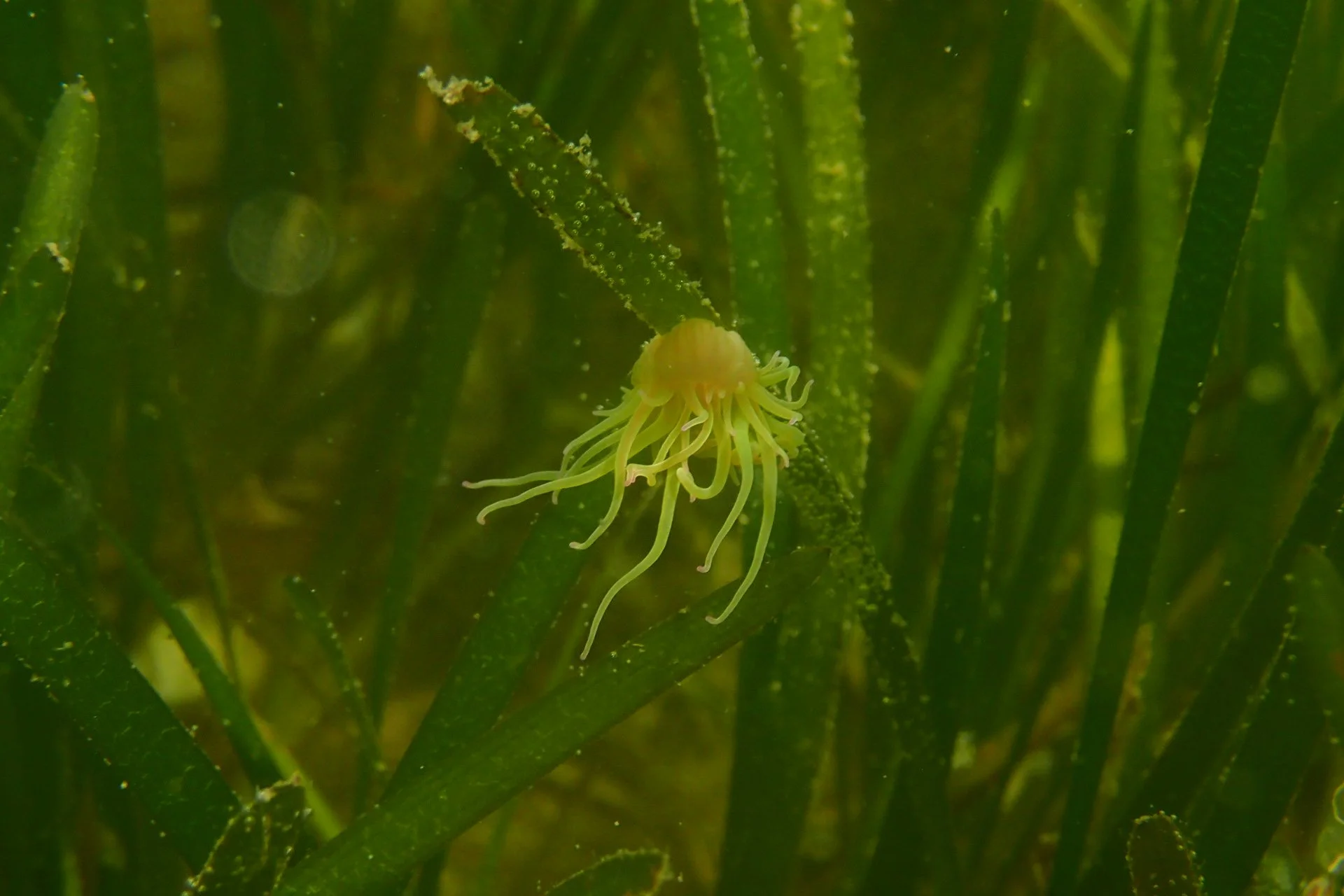
Advancing seagrass restoration techniques for large-scale UK application
Highlands Rewilding are excited to be working with Seawilding as they expand their successful seagrass restoration efforts by trialling transplantation methods at new locations beyond Loch Craignish.
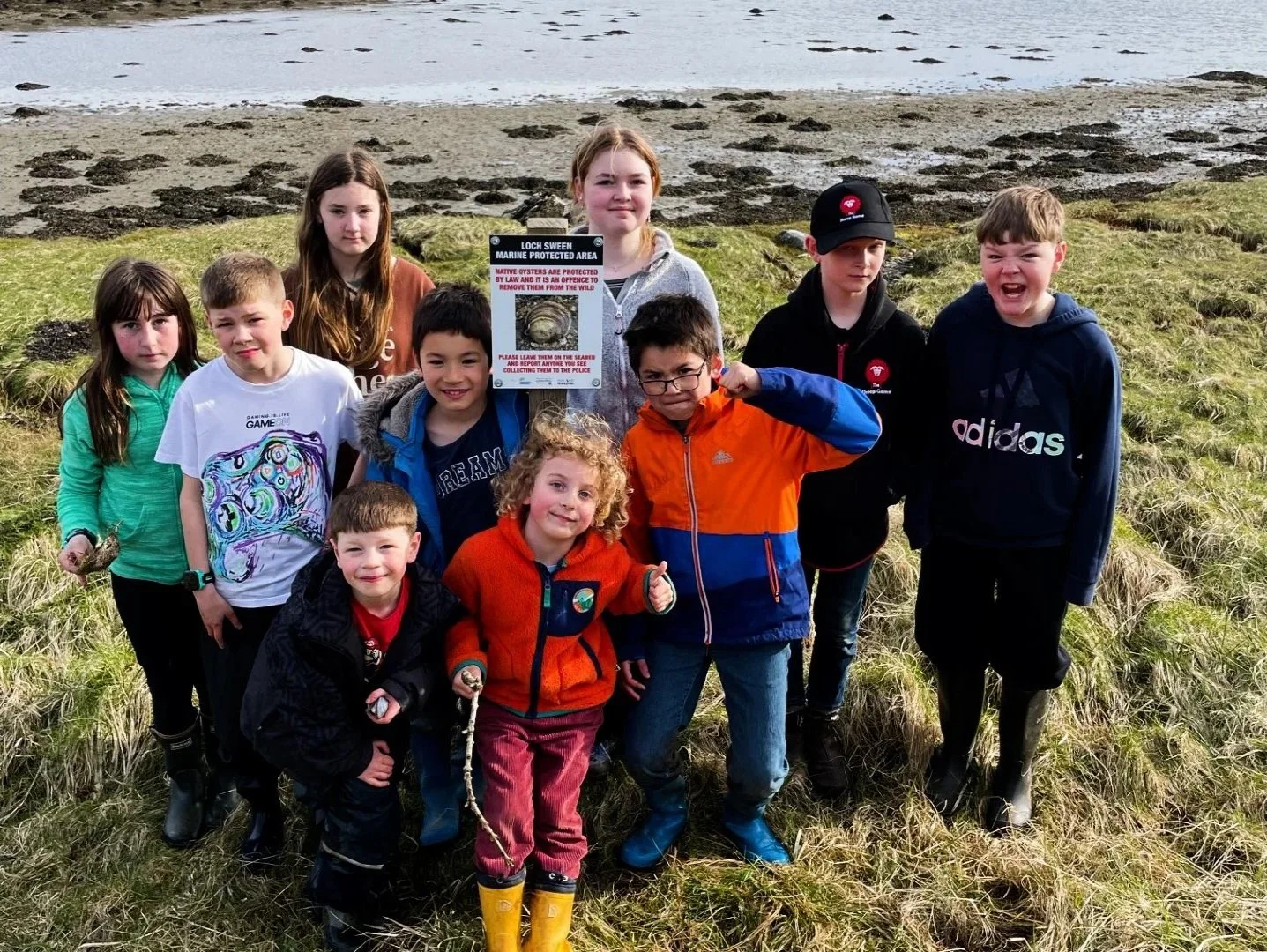
Our native oysters say "No" to hand gathering!
A collaborative effort is underway to protect one of Scotland’s most threatened marine species, the native oyster Ostrea Edulis. Together, Highlands Rewilding, NatureScot, Friends of the Sound of Jura, and the Tayvallich community are taking practical steps to dissuade visitors from removing oysters from Loch Sween.
Four new signs have now been installed at key intertidal access points around Loch Sween MPA (Marine Protected Area), raising awareness of the legal protections surrounding native oysters and the urgent need to safeguard this fragile population.
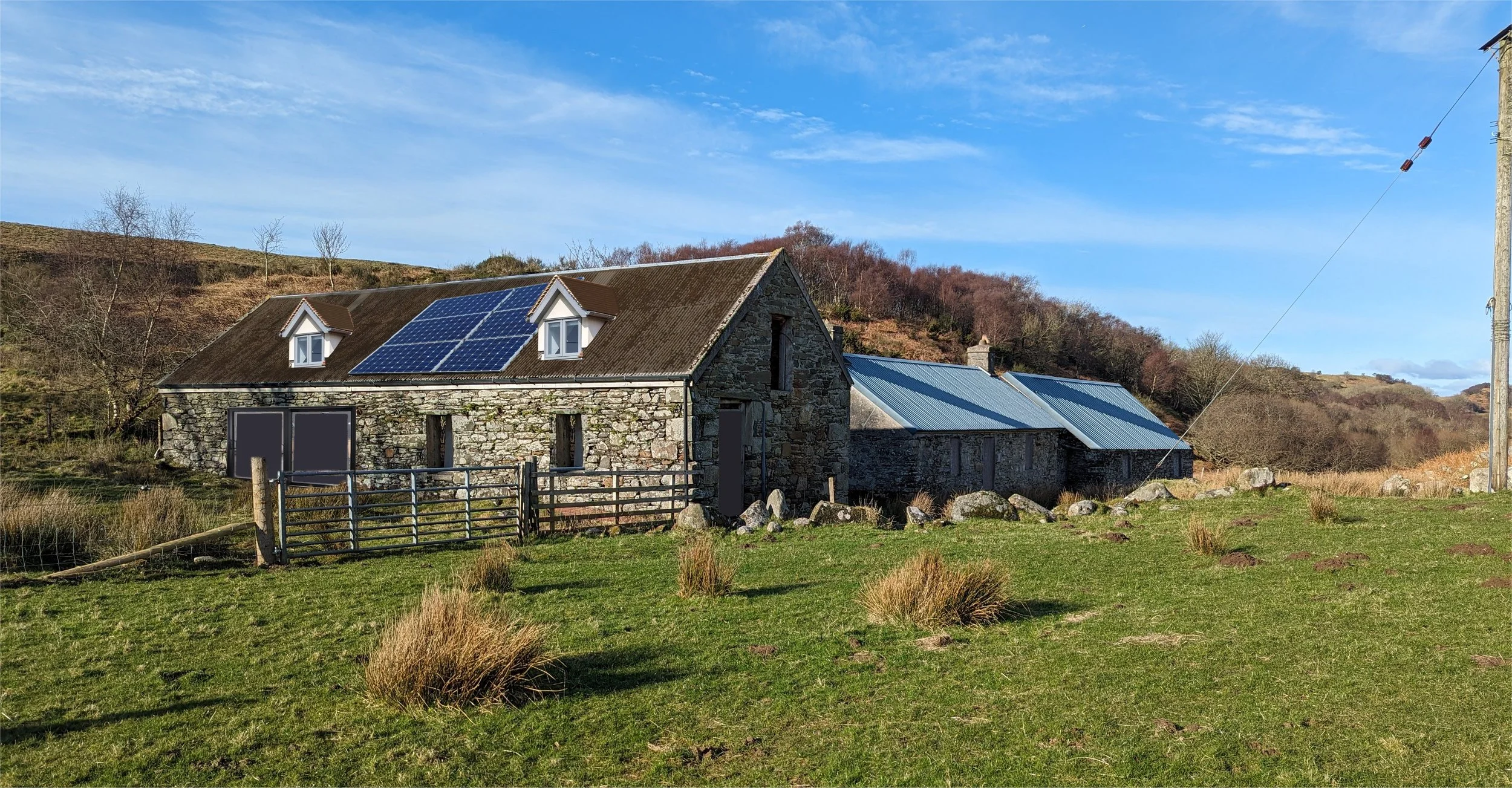
Bringing Homes Back to Tayvallich: From Empty Buildings to New Opportunities
We are delighted that the Barrahormid Trust, an OSPREY partner has recently gained planning permission in principle for the redevelopment of 8 abandoned properties on the Trust’s land at Tayvallich.
The charity will shortly be selling them as affordable plots, with Rural Housing Burdens attached, to buyers who want to live or return to the area and form part of Tayvallich's rural community, with ecology and sustainability at its heart.
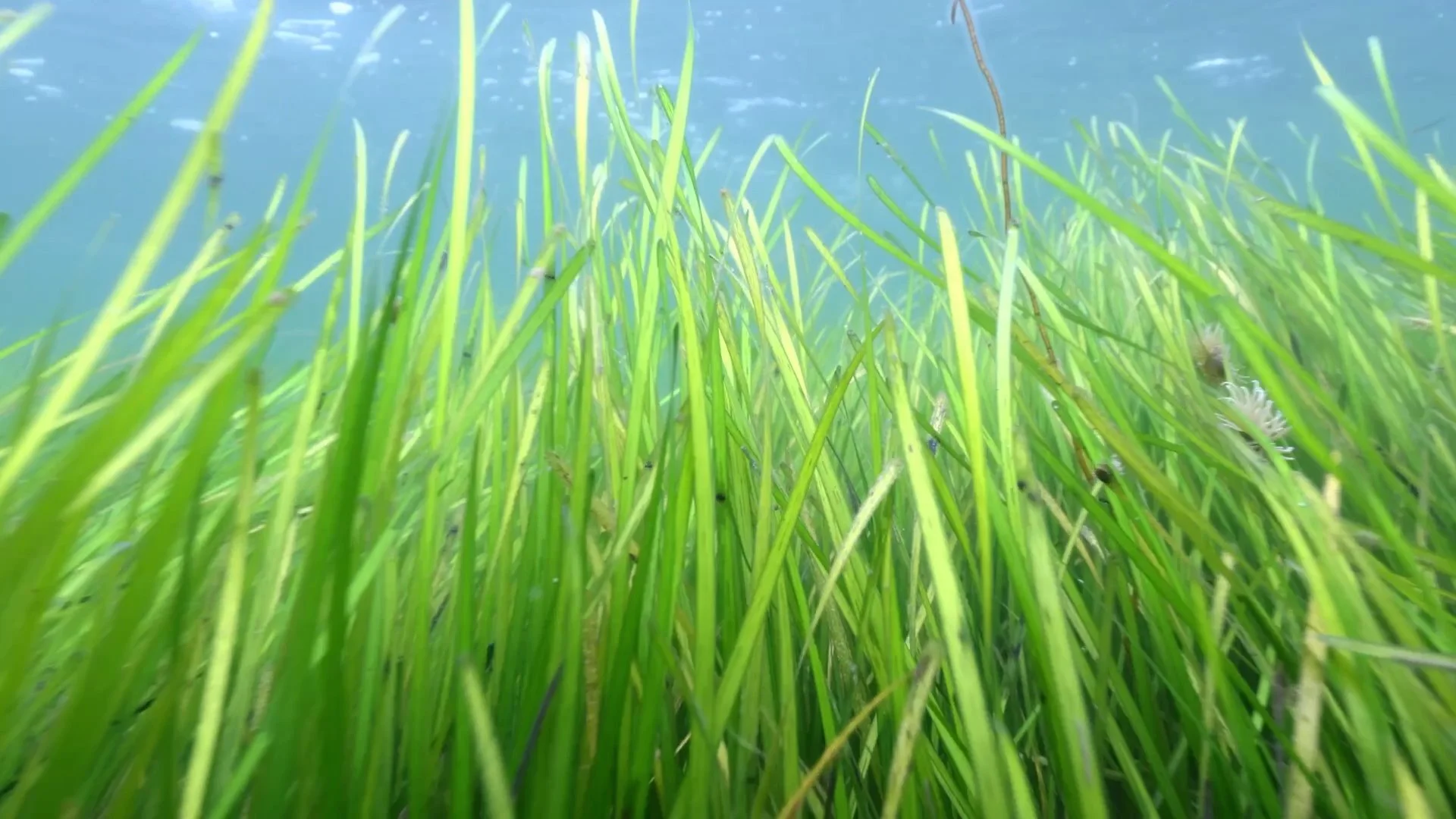
Revealing Argyll’s Underwater Meadows: A Story of Loss and Renewal
Beneath the calm waters of Argyll’s sea lochs lies one of Scotland’s most important, and least visible, ecosystems: seagrass meadows. These flowering plants form underwater forests that support fish, protect coastlines, and store carbon for thousands of years. In this blog, our Marine Lead, Dr David Smyth, looks at the results from a recent survey of Tayvallich’s very own seagrass meadow.
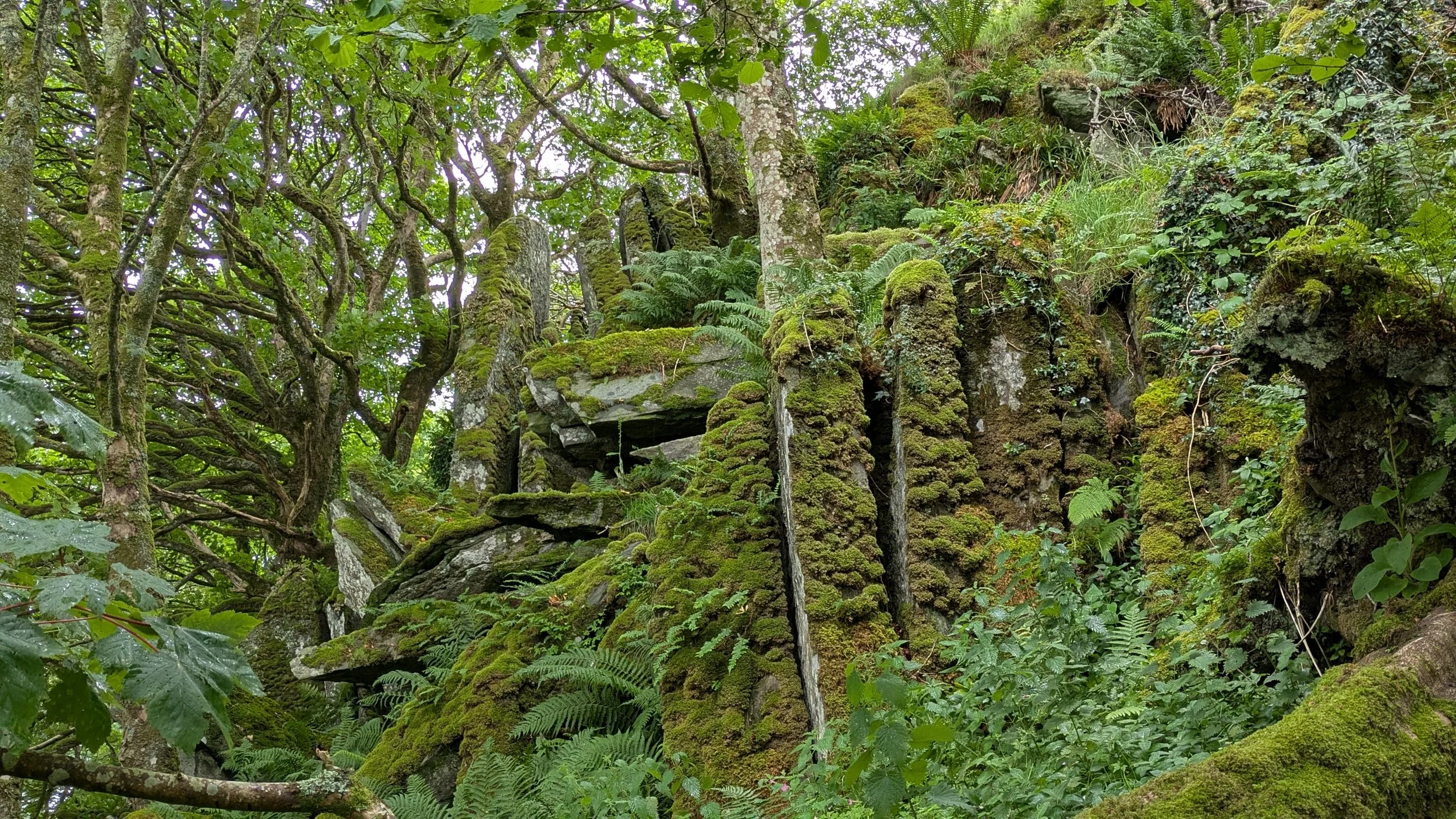
Understanding temperate rainforests: researching the restoration of rare habitats at Tayvallich
An important aspect of our work at the Tayvallich Estate in Argyll is to extend the rare temperate rainforest. To help us further develop our understanding of these special habitats, we recently had two MSc students working on their dissertation projects on different aspects of these woodlands. These projects were intended to help reveal the ecological health of different areas of woodland, how that relates to characteristics of the trees and their surrounding environment, and how detectable those characteristics are from different data sources. Ultimately, these findings will help us to restore more rainforest to higher ecological standards, on Tayvallich estate and beyond.