
Charismatic Carbon Credits
with biodiversity and community regeneration built in
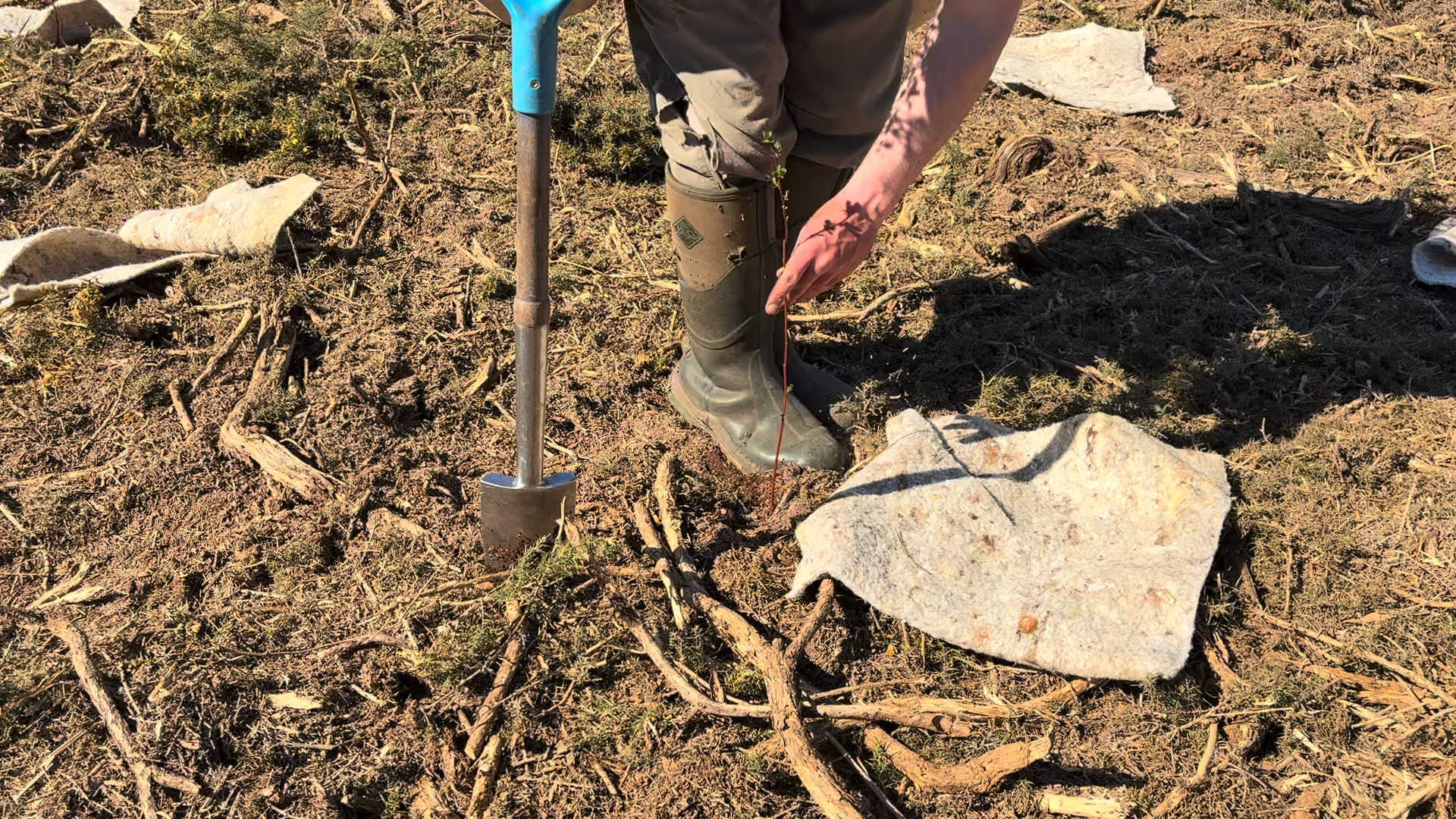
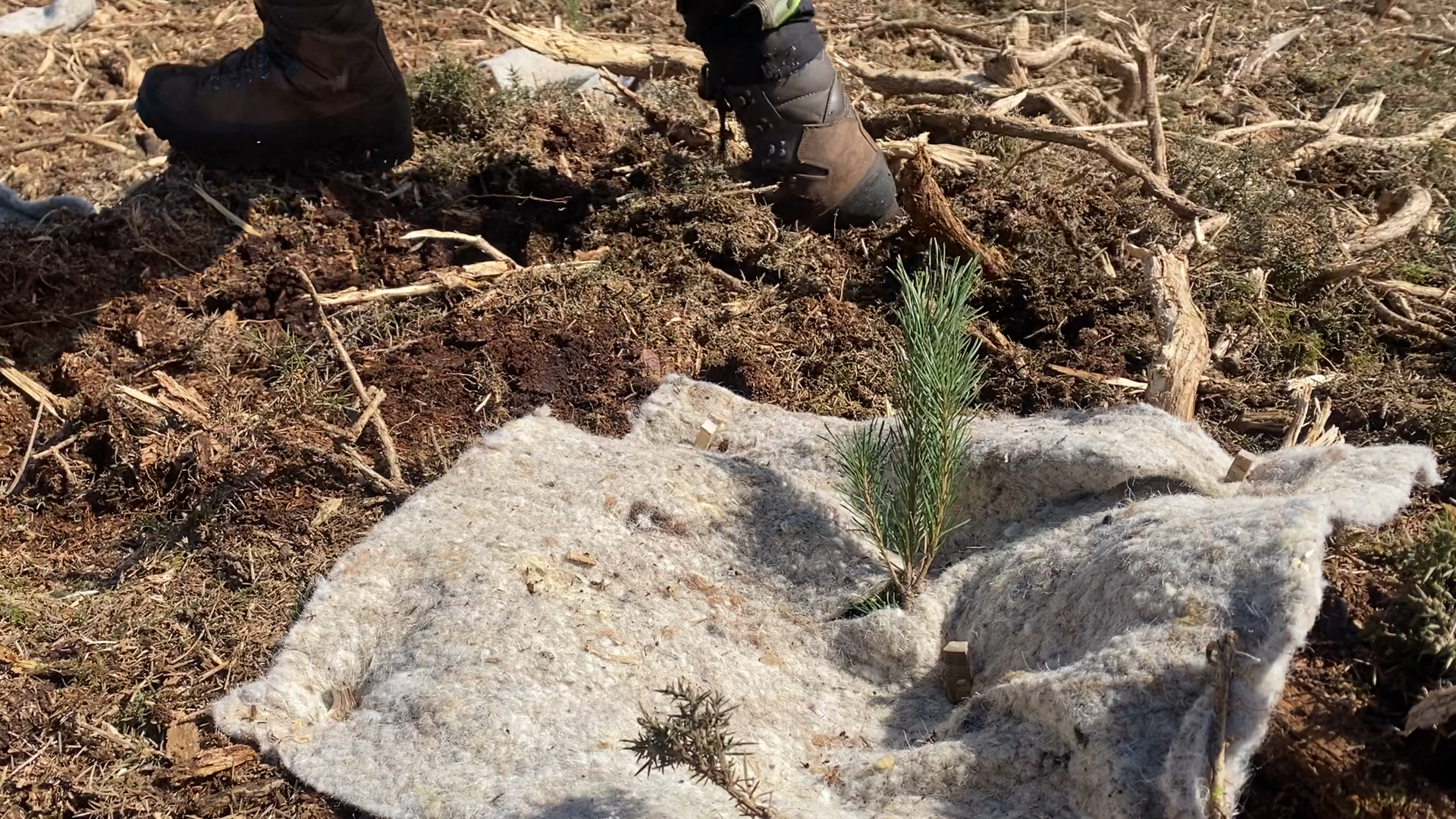
The new South Bunloit wood – native species saplings each protected by white woolly biomat
Removal and avoidance credits from South Bunloit, backed by rigorous science, and transparent monitoring. Projects insured by DUAL.
Highlands Rewilding's independently verified charismatic carbon projects go beyond simply maximising the amount of carbon sequestered by a single piece of land. We actively improve biodiversity and positive impacts for local communities. Backed by rigorous science and transparent monitoring and assessment, these are trustable removal and avoidance credits on high integrity Woodland Carbon Code and Peatland Code registers. We are currently in both codes' pilot for officially bundling in biodiversity.
Blue carbon opportunities are in development
The start of the woodland creation activities
We have carbon credits to suit a wide range of clients, and stories to go with them: of nature restored, and of the lives enhanced.
Please contact us using the enquiry form below for more details.
The aims of the peatland restoration project
Recognised and aligned
Highlands Rewilding is the second TNFD adopter in Scotland, and the project aligns with ICVCM's Core Carbon Principles.
Contributing to the UN Sustainable Development Goals


The projects' existing co-benefits beyond carbon
Measurement, reporting and verification (MRV)
We’ve been working with the Woodland Carbon Code and the Peatland Code developing measurement, reporting and verification methods (MRV).
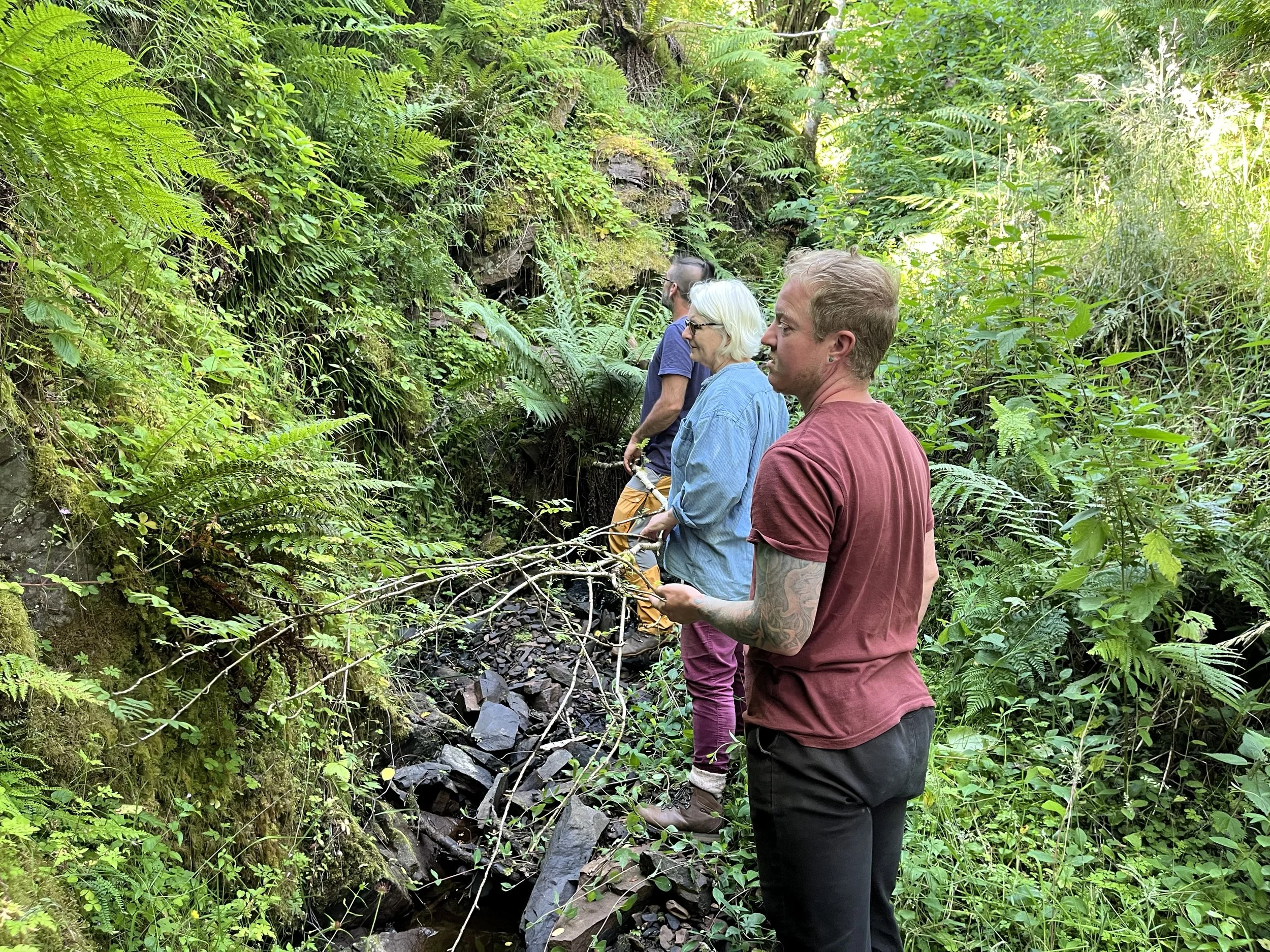
Research at the forefront of MRV
Our research and reporting sit at the front of MRV innovation, supported by transparent data and peer-reviewed publications.
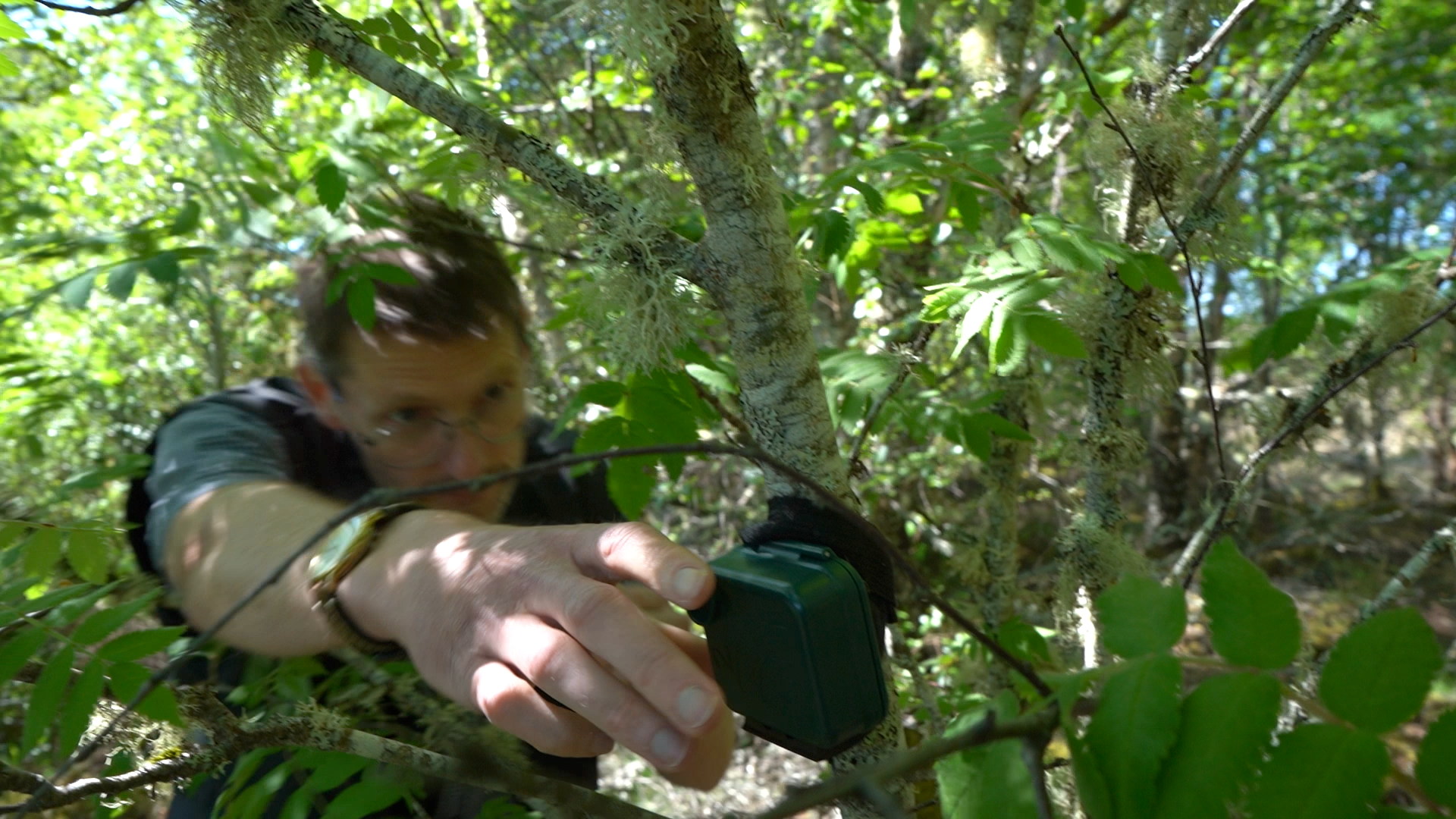
People and shared decision making
Highlands Rewilding hosts volunteering and school visits, walks and talks, and mindfulness activities. We share decision-making through Community Advisory Boards, piloting emerging community inclusion standards supporting a just transition and the UN's SDGs.
Climate resilience and local prosperity
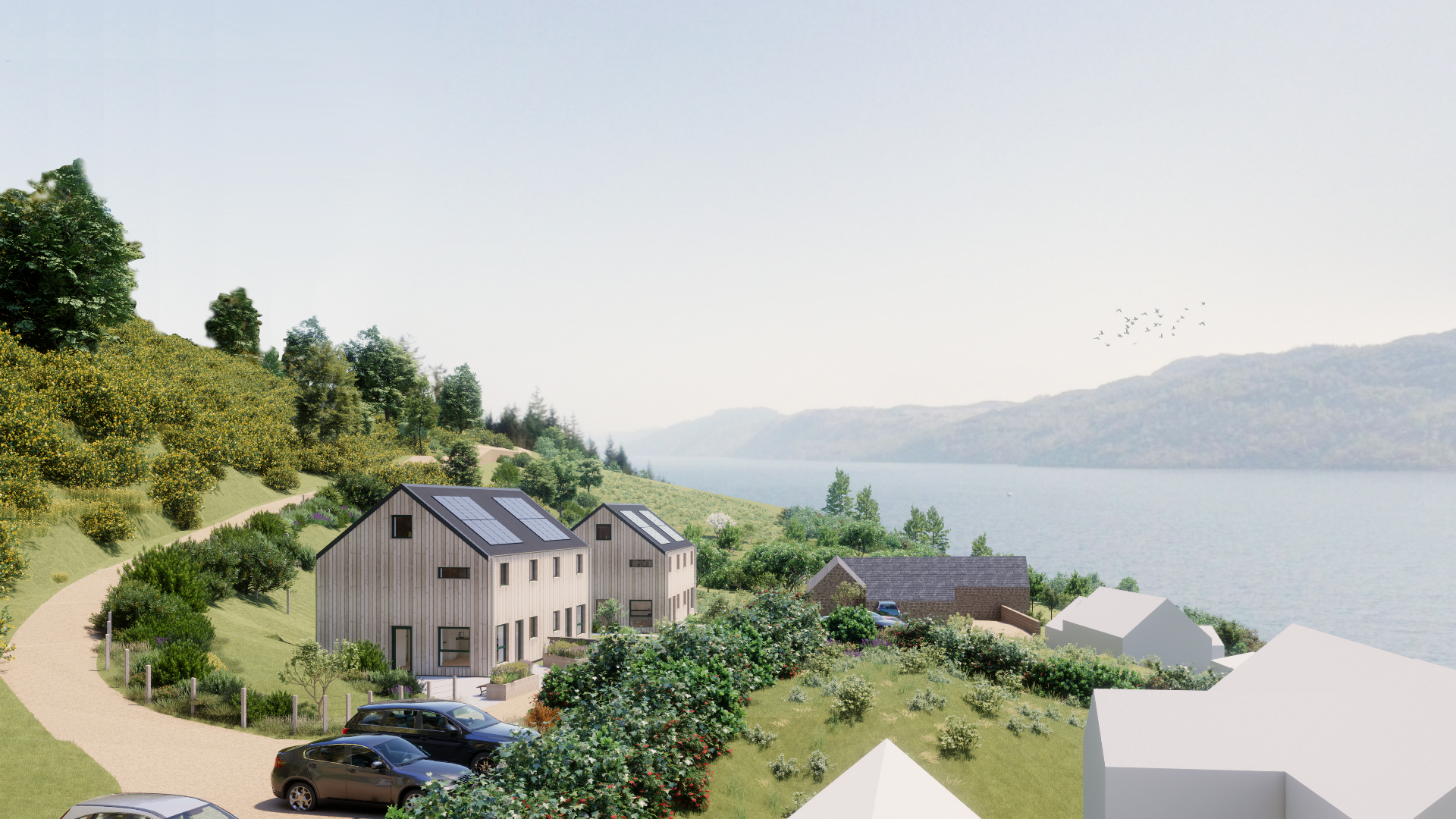
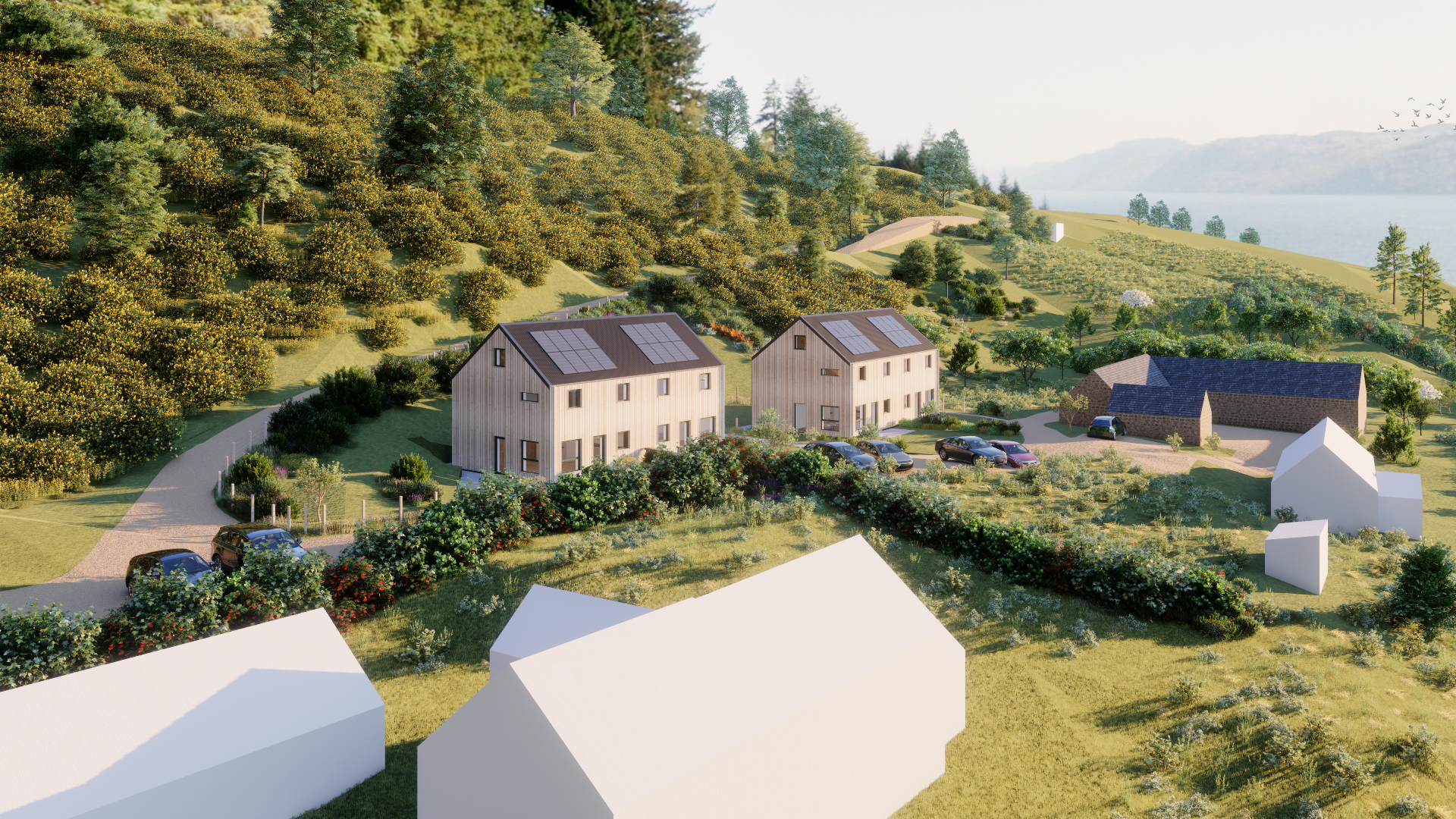
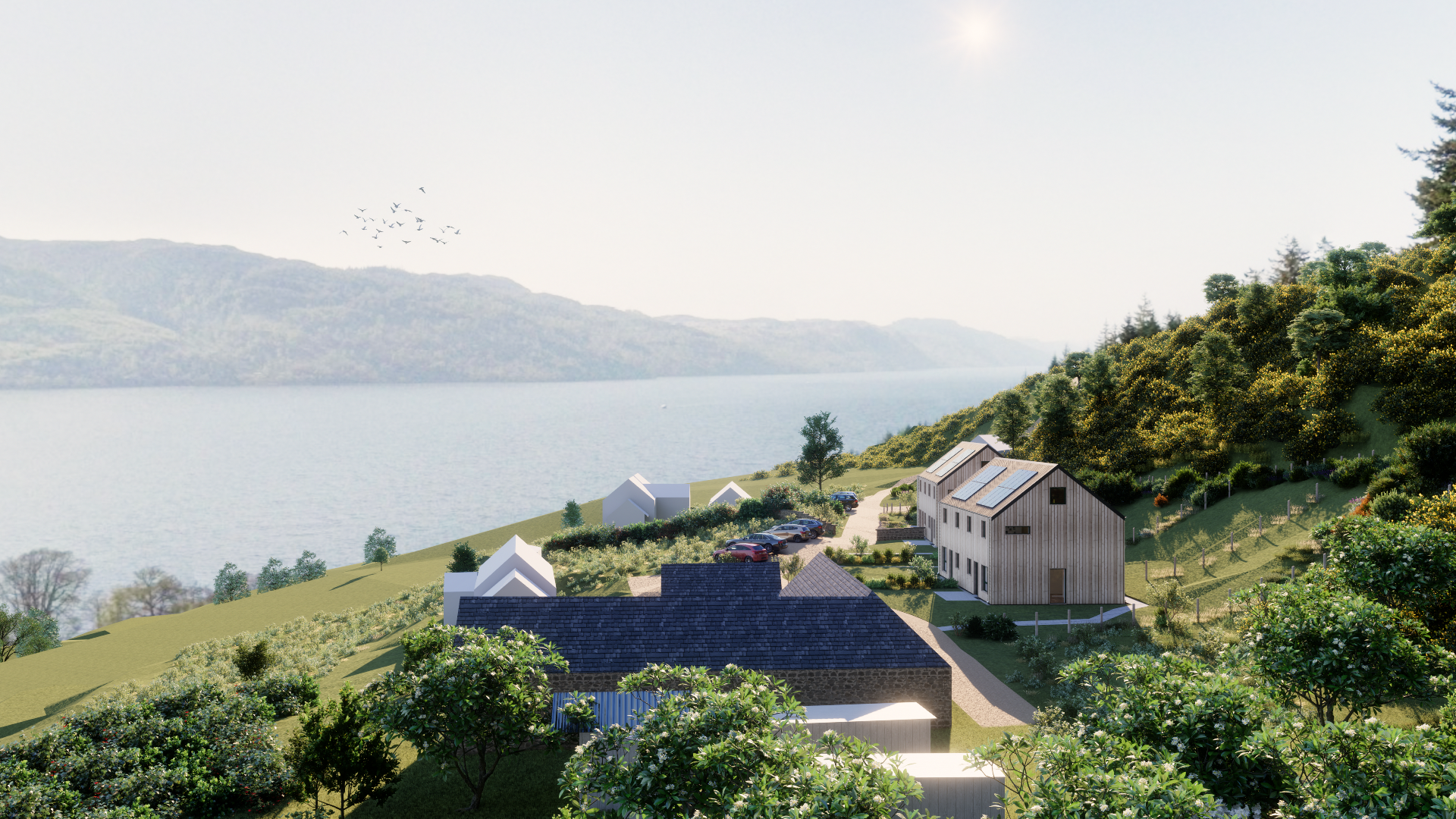
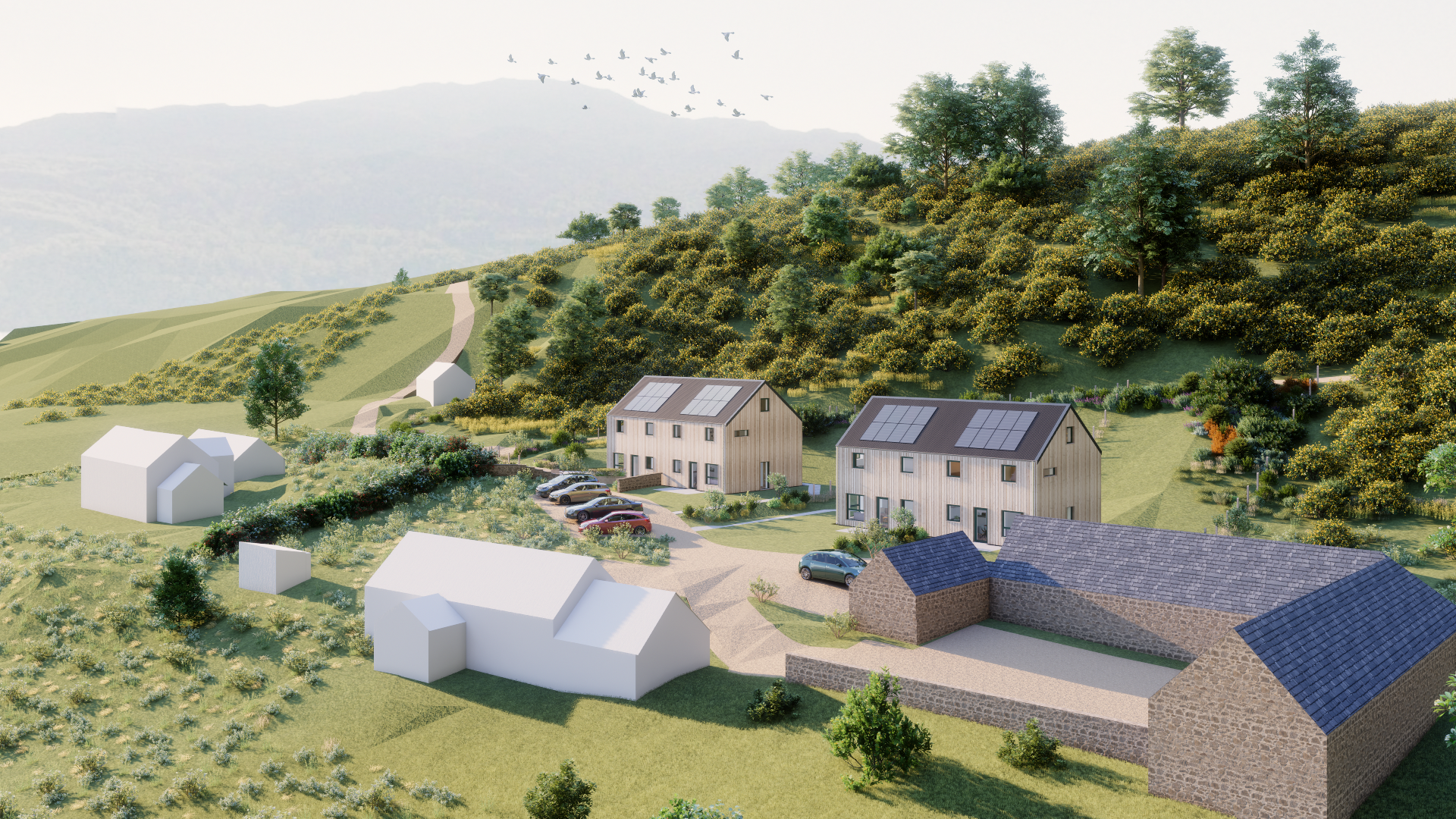
Nature restoration offers multiple climate risk-related and social benefits to local communities to help them thrive. From more diverse, wilder landscapes which are less prone to fires and floods, to nature-based economies which support local sustainable green jobs, in and beyond our own estate teams, in regenerative agriculture, eco-tourism and sustainable local food production. We have a planning application for affordable, carbon neutral, Passiv Haus standard timber homes at Bunloit.
Community Joint Ventures
Highlands Rewilding adds social value by co-developing multiple Community Joint Venture (CJV) projects: new businesses or not-for-profit enterprises using the nature assets from the restoration projects, working with local project leaders. This enables local communities to benefit economically and socially from our nature restoration. CJVs range from a health and wellbeing focussed mindfulness group, community market gardens, foraging and e-bike tours, to wild venison larders, tree nurseries, woodwork from forest products and more.



Charismatic Carbon: the stories your credits tell
We specialise in crafting compelling, authentic and research-led stories of nature restoration, creating high-quality multi-media content led by the people working on the land. Our emphasis on quality, integrity and transparency strengthens stakeholder trust, demonstrates impact, and supports the commercial value of your Charismatic Carbon investments. We highlight both environmental and social benefits from projects, ensuring a focus on co-benefits from nature-based solutions.
Insured by DUAL
In 2025, Highlands Rewilding partnered with DUAL, the MGA arm of Howden Group to create a step change in the nascent natural capital market, becoming the first holder of a pioneering insurance product. This insurance covers the risk of any physical losses in the project lifecycle, covering any costs of restoring habitat to its pre-loss state. Additional contractual liability risk of losing credits from those projects can be covered at additional cost if restoration is a non-viable route.


Carbon Credit enquiries
Please contact us for more details