Scotland’s deer numbers are thought to be at an all-time high. Although estimates vary, something like a million deer currently roam the land, around double the numbers present in 1990. This growing population has serious impacts, including limiting the regeneration of our small, fragmented native woodlands. In response, deer are being culled more intensively and over larger areas, particularly for conservation or nature restoration.
Management of deer is both difficult and controversial. Red and Roe deer are native species that, at appropriate densities, play important roles in natural processes and local economies. They remain our most valued and recognised large mammals and, in the form of the famous Monarch of the Glen, Red deer are often seen as emblematic of Scotland.
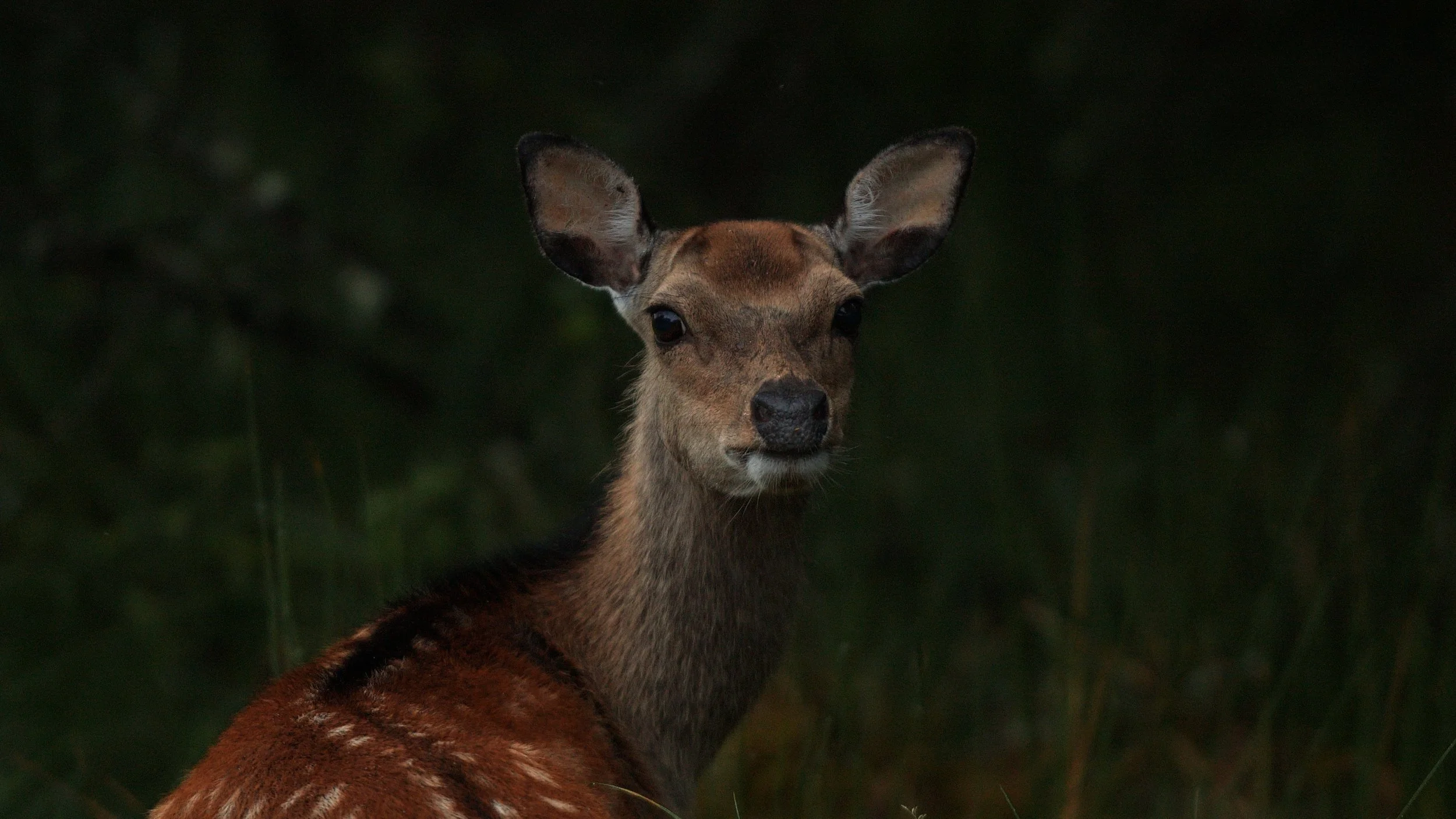
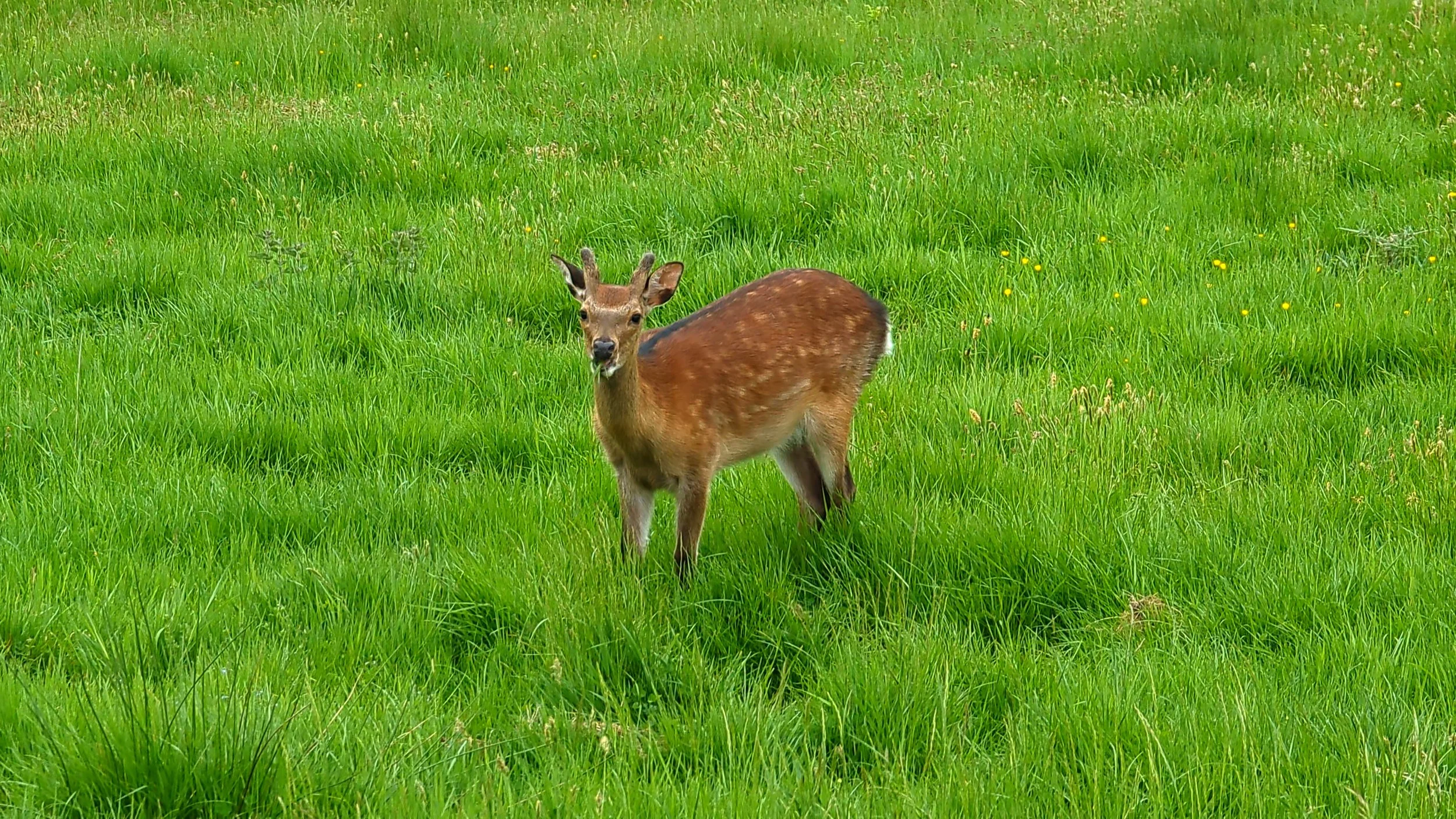
But not all of Scotland’s deer are native. An estimated 25,000 are Sika deer; a species native to eastern Russia and Asia that, since being introduced here from Japan in the 19th century, has spread rapidly over parts of the country, particularly in the west and around the Great Glen. Deer stalkers in these areas have long recognised that Sika pose quite different challenges, being harder to cull, more adaptable and often able to outcompete native species. While these deer stalkers have developed a healthy respect for Sika, much of the national debate about deer has ignored them.
We use some of this practical knowledge in an article we’re publishing today in the British Ecological Society’s Ecological Solutions and Evidence journal. Informed by decades’ worth of experience that some of the authors have in deer management, as well as previously published evidence and newly-gathered data, our article highlights the risk that, by managing all deer in the same way, we could inadvertently favour Sika deer over native species. Ironically, this danger might be greatest where heavy culls are used for environmental purposes, because Red and Roe deer are easier to stalk, and Sika have advantages at every stage of their life cycle that can allow them to quickly become dominant.

The natural advantages that Sika have in each stage of their life cycle, which make them more likely to outcompete native Red and Roe deer in the same area, when under management pressure.
Sika thrive in poorer conditions
Sika can tolerate poorer habitat and harsher weather even than Red deer. They maintain good body condition year-round, feed more during the rut, and reach higher densities in the same habitat.
Sika reproduce more
Sika can sustain higher culls than Red and Roe deer because they are more fertile across all age classes. Their rut appears to be extending, with young born over a longer portion of the year, giving them a substantial reproductive edge.
Sika hybridise with Red deer
Sika are common as a genetically distinct species, but they can also mate with Red deer. When this happens, the hybrid young may have competitive advantages of their own that further erode the status of native deer.
Sika cause distinct environmental damage
Beyond intense browsing, Sika are known for bark stripping and bole-scoring—deep vertical gouges made by stags during the rut. Sika are also known to impact saltmarshes and may play a greater role in spreading parasites and pathogens.
Sika are exceptionally hard to cull
Sika prefer dense cover, are more vigilant and react to disturbance by shifting into thicker vegetation and more nocturnal activity. This translates into far harder and more time-consuming stalking, with Red and Roe numbers much easier to reduce and keep low.
A way forward
To control the risks of Sika dominance, we argue that Scotland needs a far stronger strategy. This should include prominent recognition of the problems Sika create as an invasive non-native species, a public awareness campaign and clear targets to reduce and reverse their spread where it is greatest. It’s also likely necessary to increase the open season for Sika and provide extra payments to cover the substantial resources that stalking needs. Professional stalkers will need to be equipped with night-shooting equipment and supported by drone-based thermal imaging and other new technologies to track deer and the effects of culling. And more deer larders are needed to help make the resultant venison available locally as a healthy, environmentally-friendly meat.
Without strategic action, Scotland could find itself with a landscape increasingly dominated by a species that is more invasive, more prolific and harder to manage than its native cousins. Alternatively, we can act to make Sika emblematic of Scotland’s newfound determination and ability to manage its environments sustainably.
Press coverage
www.telegraph.co.uk/news/2026/01/11/native-british-deer-same-fate-red-squirrel/#comment
www.dailymail.co.uk/sciencetech/article-15453713/British-red-deer-fate-red-squirrels.html
www.thetimes.com/uk/scotland/article/monarch-of-the-glen-at-risk-from-non-native-sika-deer-j5966w3gs
https://www.gbnews.com/news/british-red-deer-disappearing-asian-sika-deer