
Advancing seagrass restoration techniques for large-scale UK application
Highlands Rewilding are excited to be working with Seawilding as they expand their successful seagrass restoration efforts by trialling transplantation methods at new locations beyond Loch Craignish. Loch na Cille a small catchment west of Loch Sween was identified by the team after thorough habitat screening and a restoration suitability assessment. The proposed site currently has a small healthy seagrass meadow and therefore, the potential for further seagrass habitat expansion. The first two transplants of a planned four were undertaken during the first week of May. Donor seagrass plants were taken from Loch Craignish and planted by the team using the Seawilding transplantation methodology.
The second phase of planting is taking place this month, in June. Light sensors above and below the trial plots have been installed to monitor light intensity. Taxonomists specialising in seagrass species from Queen’s University Belfast will assist the Highlands Rewilding team with species biodiversity monitoring. As species colonise the trial plots over the next two years and the meadow ecosystem expands, we expect more species typical of seagrass. New species will be recorded and catalogued as per site through 2026 and 2027 to assess restoration progress and environmental impacts.
“We're excited to be working with Highlands Rewilding and members of the Knapdale community to see if we can replicate the success that we have had with seagrass restoration in Loch Craignish at another location. The results of this trial will provide important information in our efforts to scale up seagrass restoration and provides an opportunity for us to pass on the knowledge and skills that we have developed to another coastal community”.
Ewan, Tayvallich’s Estate Manager
Seawilding and Highlands Rewilding will also be working closely with Glasgow University in a more unique form of biodiversity monitoring where underwater Hydro Moth© devices will be used to record the soundscapes of the developing seagrass meadows. The Hydro Moths© are an affordable, open-source, battery-powered acoustic logger designed to record sound underwater. They have been developed for environmental monitoring of marine life and aquatic habitats and will record the biological sounds of fish and invertebrates as they begin to colonise the new seagrass habitats.
“The biodiversity and HydroMoth© monitoring of the new pilot seagrass plots as they become colonised with different species is exciting research to be involved with and will go a long way in helping us to understand how newly transplanted meadows develop”.
David Smyth, Highlands Rewilding’s Marine Lead
The seagrass transplanting methodology has proved extremely successful during previous Seawilding trials at Loch Craignish and demonstrated high survival rates for the new plants with significant overall gains in meadow coverage. This marks a major advancement for UK seagrass restoration which was previously very labour intensive, relying heavily on the successful germination of seagrass seeds. The new trials aim to test transplant methods in varied environments and determine whether donor material from Loch Craignish can thrive elsewhere, ultimately supporting the re-introduction of seagrass to areas where it has been lost.
“This is a trial and that seagrass restoration is tricky, so no guarantee that it will work, but we have carried out habitat suitability surveys and these, combined with the presence of an existing small healthy meadow, indicate that Loch na Cille has good potential for seagrass restoration”.
Will Goudy, Seawilding
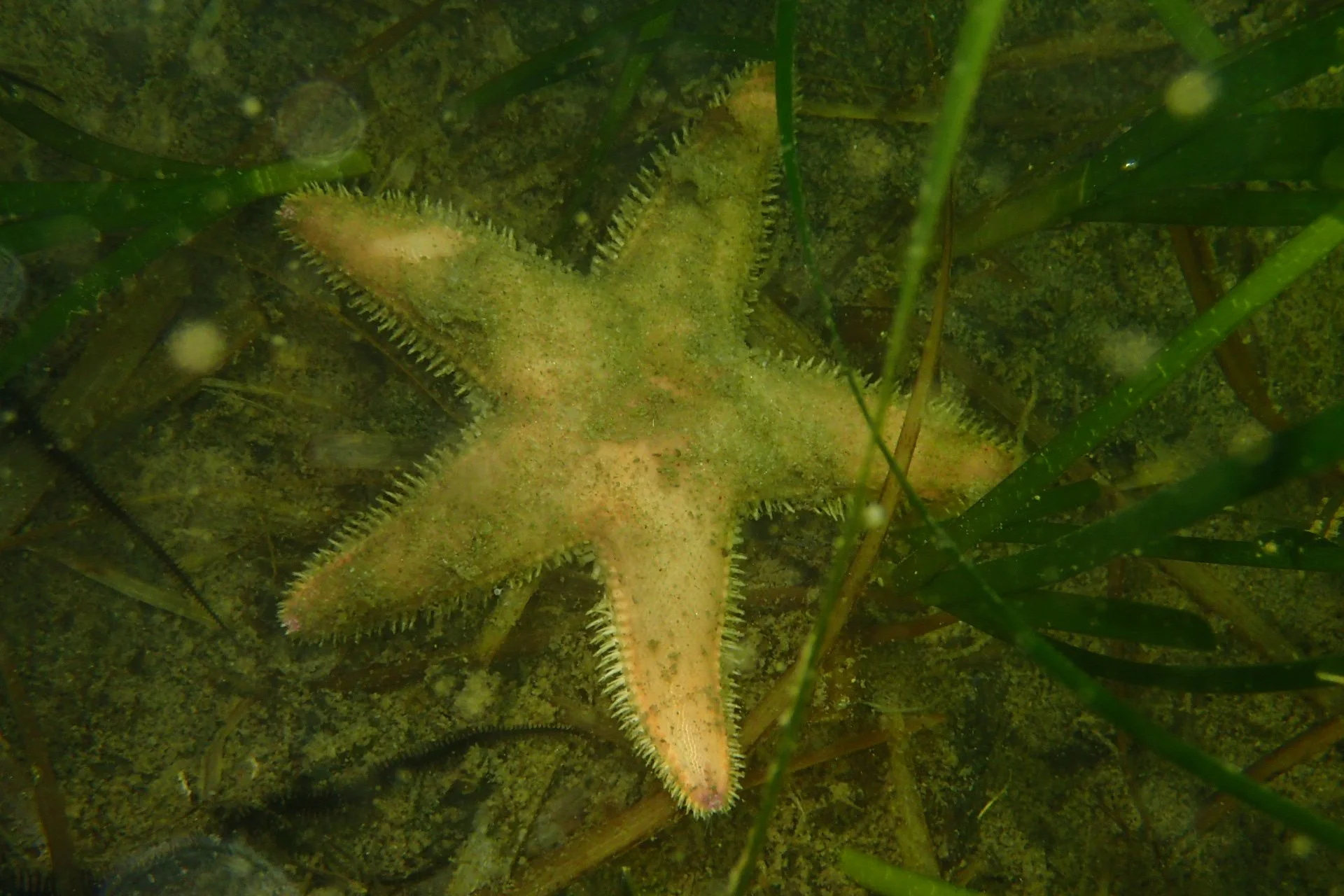
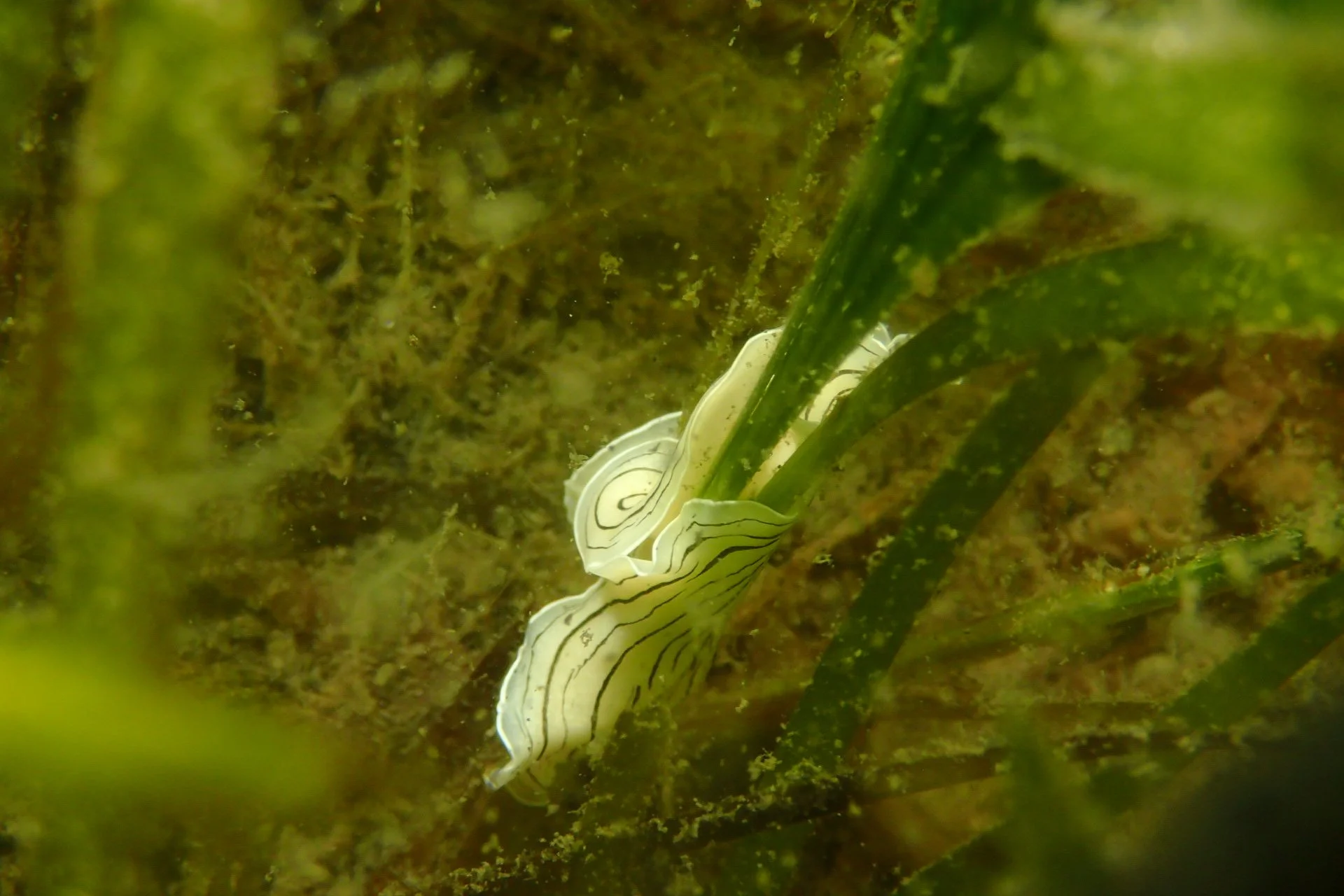
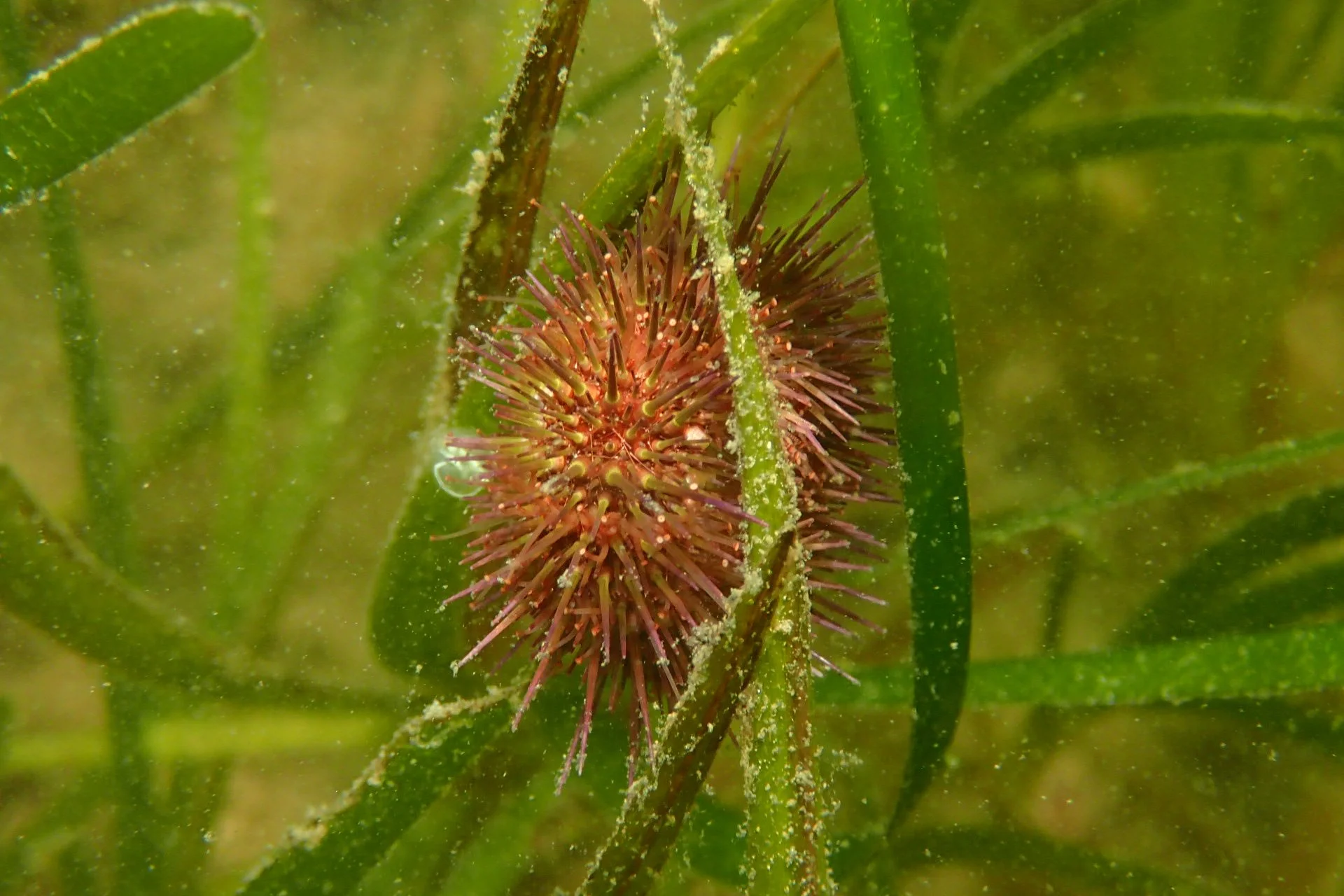
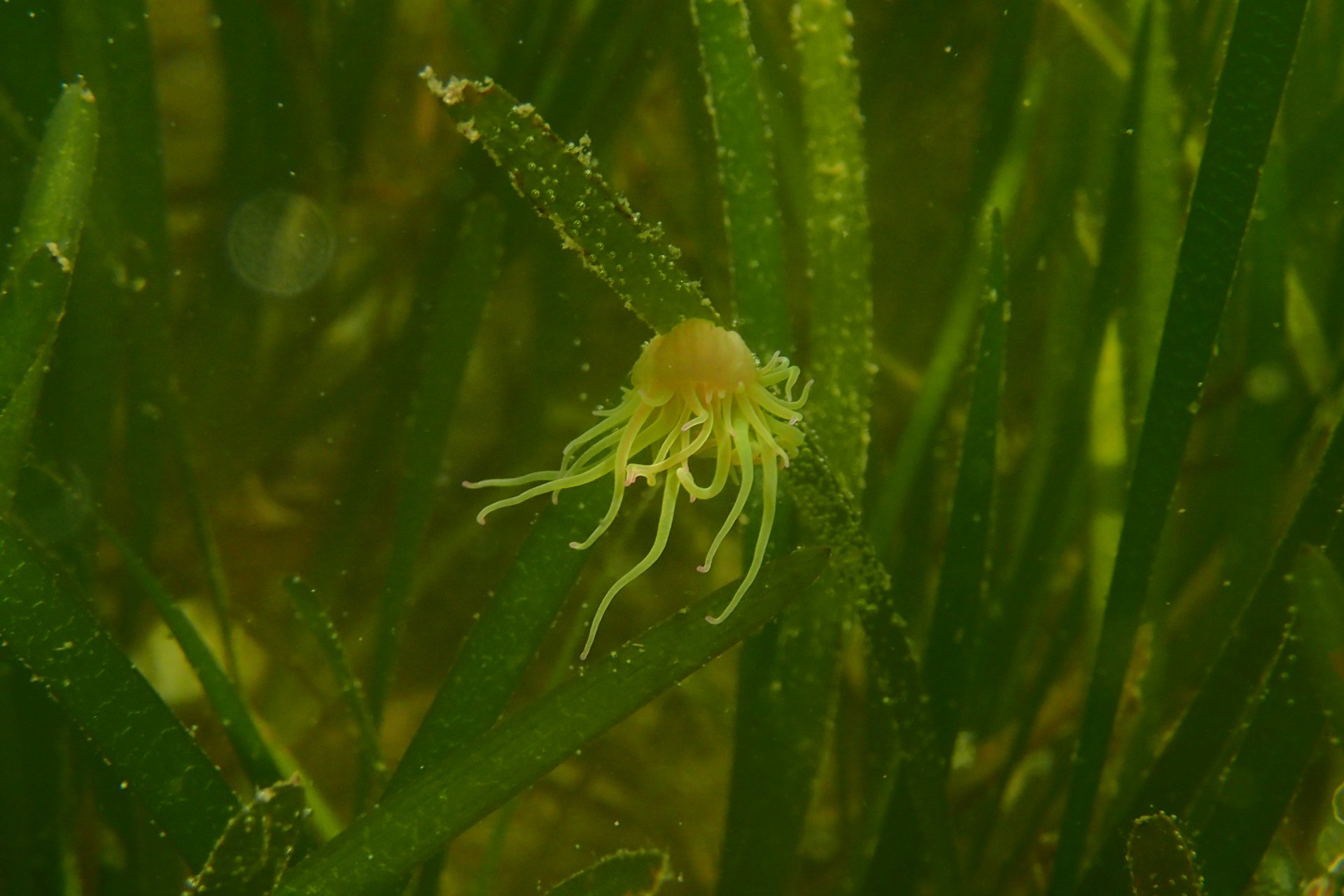
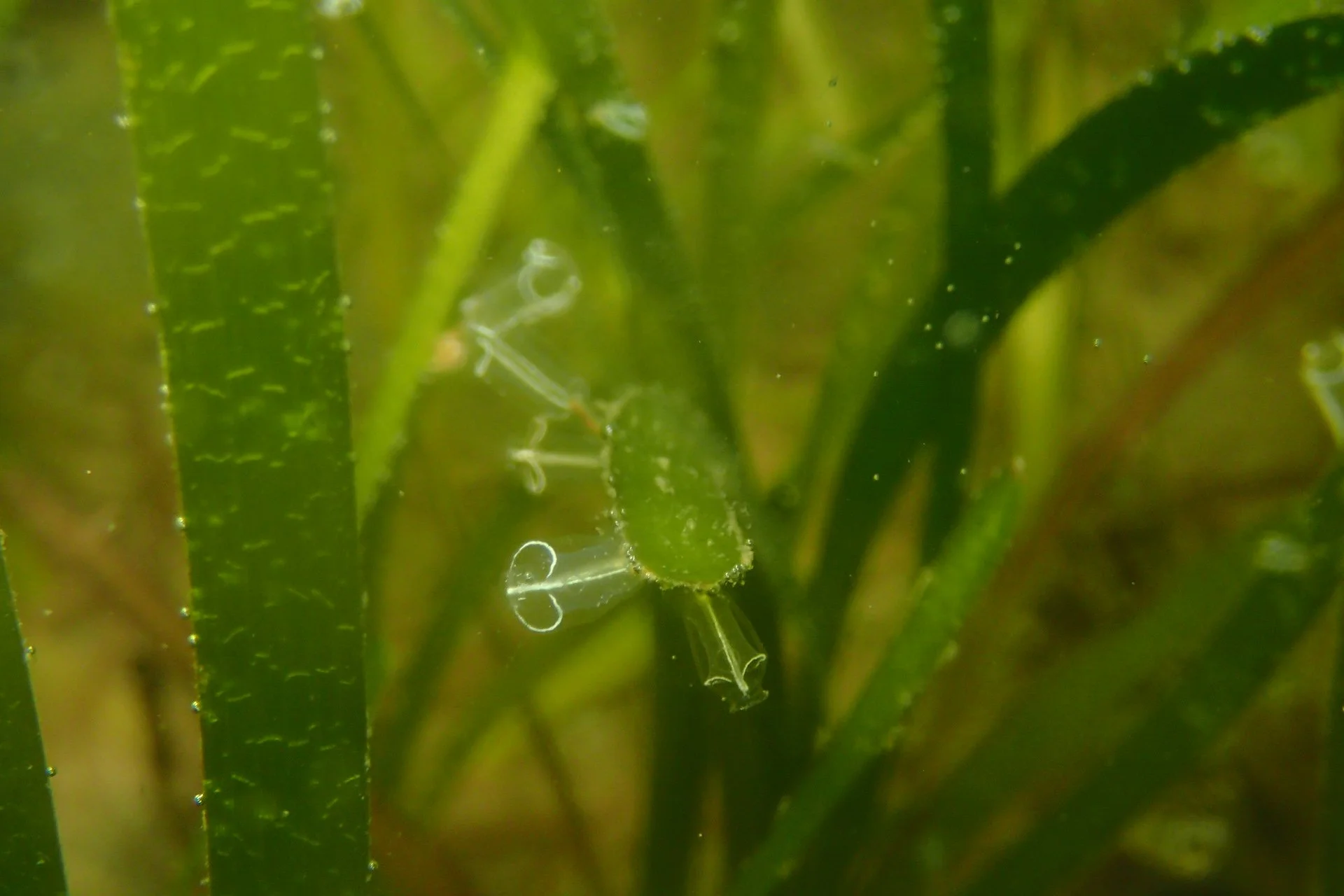
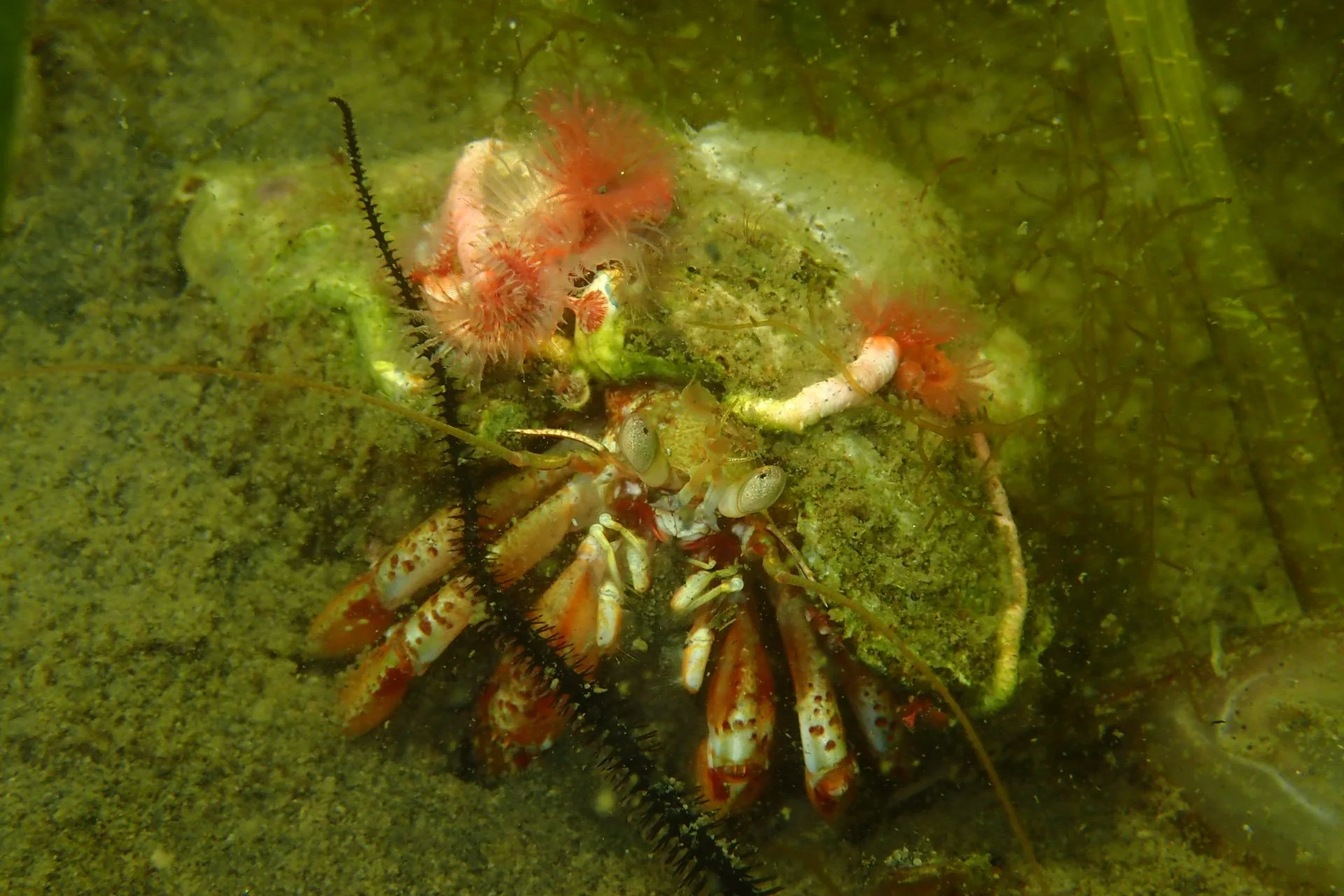
Images from a recent night dive at an existing seagrass meadow at Tayvallich, taken by restoration researcher Rebekah Bajkó (Queen's University Belfast)
Restoring The Lost Seagrass Meadows of Tayvallich
Seagrass planting